
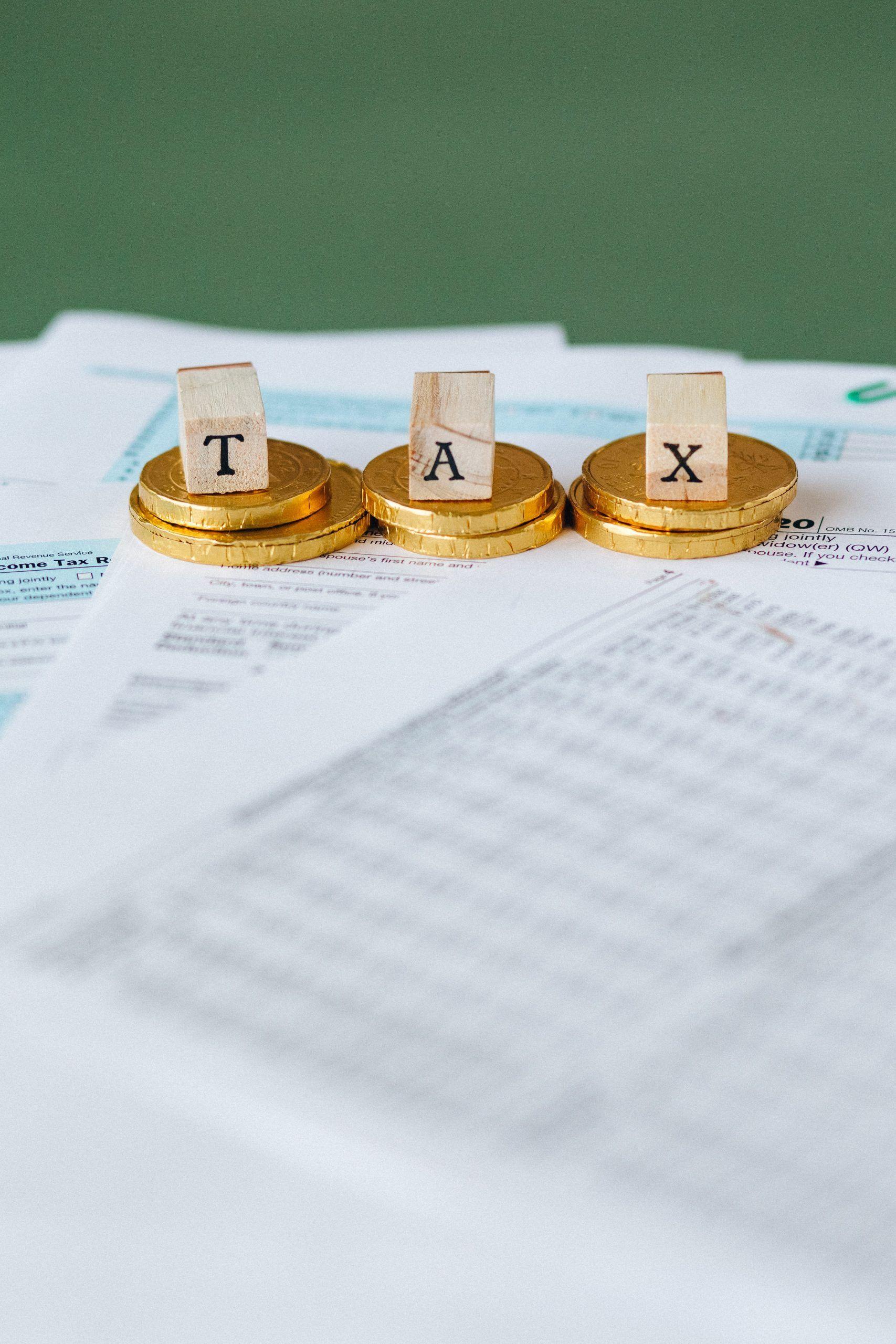
Serbia is a country located in Southeast Europe, with a population of over 7 million people. As a developing economy, Serbia’s tax system is vital for generating revenue and maintaining economic stability. In this article, we will explore Serbia’s tax system, including its main taxes, tax rates, and recent tax reforms.
The Main Taxes in Serbia
There are several main taxes in Serbia, including income tax, value-added tax (VAT), corporate tax, and property tax.
Income Tax
In Serbia, income tax is levied on both residents and non-residents. The tax rate for residents ranges from 10% to 15%, depending on the level of income. For non-residents, the tax rate is a flat 20%. Income tax is also levied on capital gains, which are taxed at a flat rate of 15%.
Value-Added Tax (VAT)
The value-added tax is the most significant source of tax revenue for the Serbian government. VAT is levied on the value of goods and services at each stage of production and distribution, with the final consumer paying the tax. The standard VAT rate in Serbia is 20%, with reduced rates of 10% and 0% for certain goods and services.
Corporate Tax
Corporate tax is levied on the profits of companies registered in Serbia. The standard corporate tax rate in Serbia is 15%, with a reduced rate of 5% for small businesses. Additionally, there is a withholding tax on dividends, interest, and royalties paid to non-residents at a rate of 20%.
Property Tax
Property tax is levied on the market value of real estate owned by individuals and legal entities in Serbia. The tax rate ranges from 0.4% to 0.8%, depending on the location and type of property.
Recent Tax Reforms in Serbia
In recent years, Serbia has implemented several tax reforms aimed at improving tax collection, reducing tax evasion, and stimulating economic growth.
One of the significant tax reforms was the introduction of the flat-rate tax regime for self-employed individuals in 2018. Under this regime, self-employed individuals pay a flat tax rate of 20% on their income, instead of the progressive income tax system. The flat-rate tax regime aims to simplify the tax system, reduce tax evasion, and encourage entrepreneurship.
Another notable tax reform was the reduction of the corporate tax rate from 15% to 10% in 2021. The reduction aims to stimulate economic growth and attract foreign investment to Serbia.
The Serbian government has also introduced several measures to combat tax evasion, including the introduction of electronic fiscalization, which requires businesses to use electronic cash registers and issue electronic receipts. The government has also strengthened tax inspections and increased penalties for tax evasion.
Conclusion
In conclusion, Serbia’s tax system comprises several main taxes, including income tax, value-added tax, corporate tax, and property tax. Recent tax reforms have aimed to improve tax collection, reduce tax evasion, and stimulate economic growth. These reforms include the introduction of the flat-rate tax regime for self-employed individuals, the reduction of the corporate tax rate, and measures to combat tax evasion. Overall, Serbia’s tax system plays a crucial role in generating revenue and maintaining economic stability, and the recent reforms aim to make it more efficient and effective.