Demographical Structure in Serbia: An Overview
Law firm for foreigners in Serbia Serbian immigration law firm Legal services for foreigners in Serbia Best immigration lawyers in Serbia Work permit in Serbia for foreigners Residence permit in Serbia for foreigners Serbian citizenship for foreigner Foreigner legal services Serbia Legal representation for expats in Serbia Law firm Belgrade for foreigners

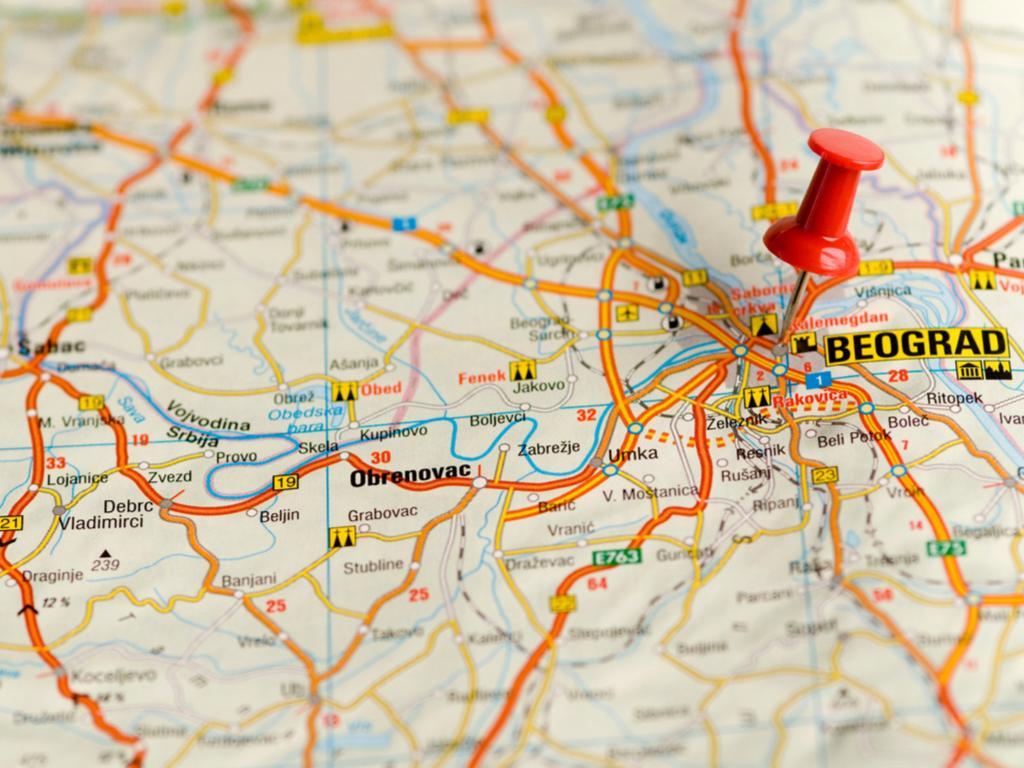
Serbia is a landlocked country located in southeastern Europe. It has a rich cultural heritage and a diverse demographic structure, which has been shaped by centuries of historical and geopolitical factors. In this article, we will provide an overview of the demographical structure of Serbia, including its population size, age distribution, ethnic groups, and migration patterns.
Population Size and Density
As of 2021, the population of Serbia is estimated to be around 6.9 million people, with a population density of 93 people per square kilometer. The country is mostly urbanized, with more than 55% of the population living in urban areas, while the remaining population lives in rural areas. The largest city in Serbia is Belgrade, with a population of around 1.3 million people, followed by Novi Sad and Niš.
Age Distribution
The age distribution of Serbia’s population is characterized by an aging population. According to the latest census data from 2011, the median age of the population is 42.2 years, which is higher than the European Union average of 42 years. The population pyramid shows a relatively narrow base and a broad top, indicating a low birth rate and a high life expectancy. The proportion of the population aged 65 and over is expected to increase in the coming years, which will have significant implications for the country’s social and economic policies.
Ethnic Groups
Serbia is a multiethnic and multicultural country, with a diverse range of ethnic groups. According to the latest census data from 2011, the largest ethnic group in Serbia is the Serbs, who make up around 83% of the population. Other significant ethnic groups include the Hungarians, Bosniaks, Roma, and Croats, among others. The country has a complex history of ethnic tensions and conflicts, which have shaped its demographic structure and continue to influence its politics and social dynamics.
Migration Patterns
Serbia has a long history of migration, both within the country and to other parts of Europe and the world. The country has experienced significant migration flows in recent decades, including both emigration and immigration. Many Serbians have emigrated to other countries, particularly during the 1990s, due to the wars and economic instability in the region. On the other hand, Serbia has also experienced immigration flows from other countries, particularly from neighboring states. The majority of immigrants in Serbia come from Bosnia and Herzegovina, followed by Montenegro and North Macedonia.
Conclusion
In conclusion, the demographical structure of Serbia is shaped by a range of historical, social, and economic factors. The country has a diverse range of ethnic groups, with the Serbs being the largest group. The population is characterized by an aging demographic structure, with implications for social and economic policies in the future. Serbia has also experienced significant migration flows, both emigration and immigration, which have contributed to its demographic diversity. Understanding the demographical structure of Serbia is essential for policymakers, researchers, and anyone interested in the country’s social and economic development.