What You Need To Know About Arms and Ammunition in Serbia
Legal Support For Trade in Arms and Military Equipment in Serbia Legal Advice on Regulatory Framework for Defence Industry in Serbia Best Law
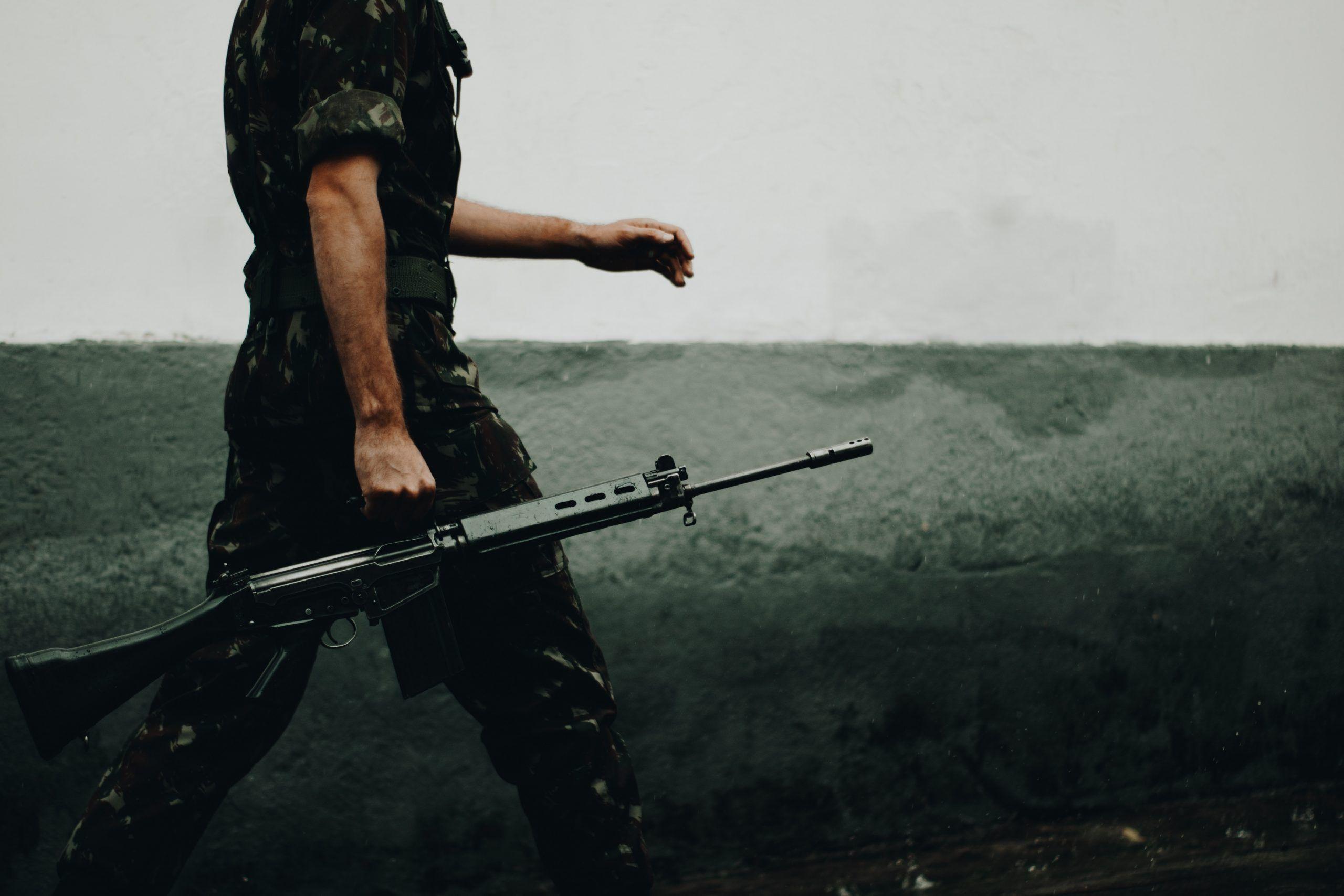
Serbia is known for its long history of making and selling weapons. The arms industry is one of the most important parts of the country’s economy. For many years, the country has been sending arms and ammunition to other countries. As a result, the Serbian government has put in place strict rules to make sure that these items are sent in a safe and responsible way.
Export of Arms and Ammunition in Serbia: How the Law Works
The rules that the Serbian government has in place for exporting weapons and ammunition are meant to keep them from getting into the wrong hands. In cooperation with the Ministry of Economy, the Serbian Ministry of Defense has set up a system of checks and balances to make sure that the export of arms and ammunition follows international law, including the Arms Trade Treaty.
The Serbian Commission for Export Control of Dual-Use Items and Military Equipment is in charge of making sure that Serbian arms exports follow a strict set of rules. The Commission is responsible for granting licenses for the export of arms and ammunition, and it operates under the authority of the Ministry of Defense.
Export Controls and Licensing Process
The process for getting a license to export arms and ammunition is long and complicated. It involves a number of government agencies and a thorough look at the proposed deal. Any person or business in Serbia that wants to export weapons or ammunition must get a license from the right authorities.
Applicants for a license have to give detailed information about how the arms or ammunition will be used, who will use them in the end, and what risks might be involved in the transaction. The proposed deal will also be carefully looked at by the authorities to see if it threatens international security or human rights in any way.
The regulatory framework also has strict rules about keeping records, being open, and giving reports. All exporters of arms and ammunition are required to maintain accurate records of their transactions, including details of the buyers and the end-use of the products. This information is then sent to the Serbian government, which uses it to make sure that international law is being followed and to figure out what risks might be involved in the export of arms and ammunition.
Conclusion
The rules for exporting arms and ammunition from Serbia are meant to encourage safe and responsible trade and make sure that these items don’t end up in the wrong hands. The Serbian government takes this responsibility seriously and works closely with international partners to make sure the highest standards of regulatory control are met.
PS. Serbia’s economy depends on its arms industry, and the responsible export of arms and ammunition is an important part of the country’s economic growth. The regulatory framework makes sure that this is done in a safe and responsible way, which is good for human rights and international security.
For more information on this or any other legal, tax, or business topic, feel free to write to us at immigration@statt.rs at any time or call us at phone number +381 60 309 5577 every working day from 08:30 to 16:30.
Information contained in this alert is for the general education and knowledge of our readers. It is not designed to be, and should not be used as, the sole source of information when analyzing and resolving a legal problem, and it should not be substituted for legal advice, which relies on a specific factual analysis. Moreover, the laws of each jurisdiction are different and are constantly changing. This information is not intended to create, and receipt of it does not constitute an attorney-client relationship. If you have specific questions regarding a particular fact situation, we urge you to consult the authors of this publication, your AK STATT representative, or other competent legal counsel.